India's Health Ministry Wants AI Diagnostics in Every Hospital, Not Just Pilots
Union Health Minister J.P. Nadda unveiled a knowledge paper on AI in MedTech at India Medical Device 2026, outlining what it takes to move AI diagnostics from pilots to nationwide clinical adoption.
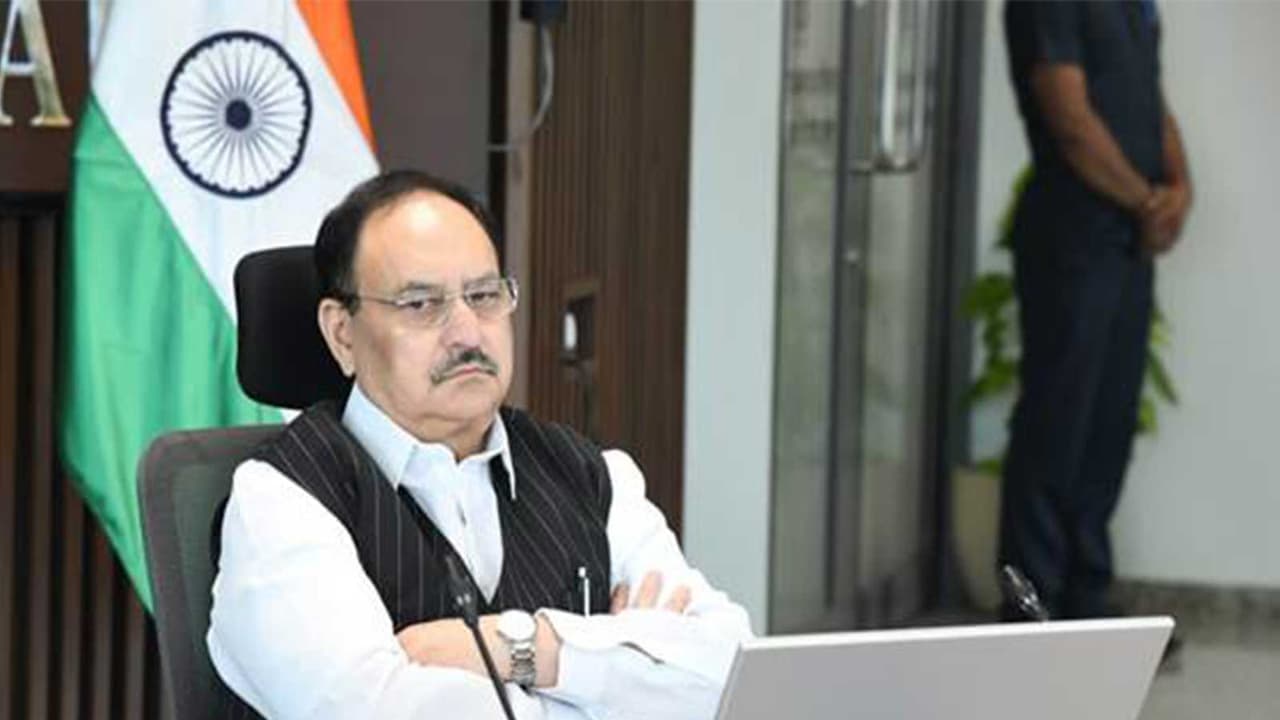
Union Health Minister J.P. Nadda unveiled a knowledge paper titled "AI in MedTech: Revolutionising Healthcare Through Artificial Intelligence" at the 9th edition of India Medical Device 2026, organised by the Department of Pharmaceuticals with FICCI at Vigyan Bhawan, New Delhi. The paper was jointly developed by Praxis Global Alliance and FICCI.
It examines India's evolving AI-enabled MedTech landscape and outlines what's needed to move AI solutions from successful pilots to large-scale clinical adoption, around five priorities: AI-ready data and evidence, lifecycle-based regulation and reimbursement mechanisms, scaling up AI-enabled diagnostics, and strengthening collaboration across government, industry, healthcare and academia.
Diagnostics is named as the first major large-scale application — the reasoning being that it can extend specialist expertise into primary and secondary healthcare, improve productivity, and reduce access inequalities that currently concentrate specialist care in a handful of cities.
The paper points to existing foundations already in place: the Ayushman Bharat Digital Mission, the IndiaAI Mission, SAHI (Strategy for Artificial Intelligence in Healthcare for India), BODH (Benchmarking Open Data Platform for Health AI), and the National Medical Devices Policy 2023.
Some of that infrastructure is already running at scale. Smart Doctor, an AIIMS-built clinical decision support system, is deployed across nearly 70,000 hospitals under ABDM. The eSanjeevani telemedicine platform processed 282 million consultations between April 2023 and November 2025. Nadda addressed the event on "Atmanirbhar MedTech: Accelerating India's Journey towards Viksit Bharat."
Source: Asianet Newsable