Google's WeatherNext 2 Gives Forecasters an Extra Day's Warning on Cyclones
Google DeepMind's WeatherNext 2 model, published in Nature, delivers roughly a decade's worth of forecasting progress in one leap and has been open-sourced for the global research community.
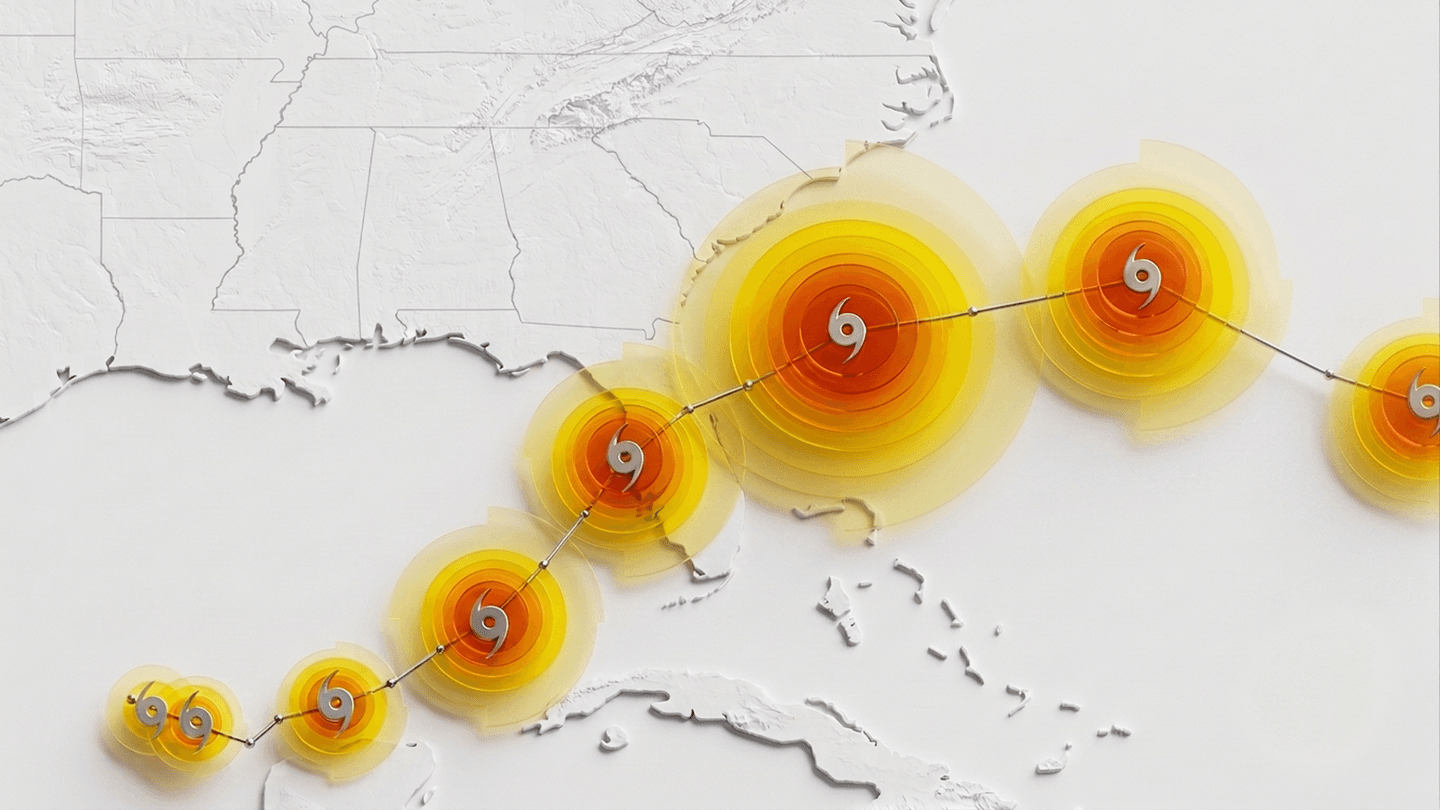
Google DeepMind says its latest weather model has made what it's calling a "massive leap forward" in predicting one of the planet's most destructive phenomena: tropical cyclones.
The new system, WeatherNext 2, achieves state-of-the-art accuracy in forecasting a cyclone's track, intensity, and wind structure — the three variables that most determine how much warning coastal communities get before landfall. Findings published in Nature put the jump in accuracy at roughly a decade of typical meteorological progress, compressed into a single model generation. In practical terms, WeatherNext 2 can give forecasters up to one additional full day of warning ahead of a storm — time that can be the difference between an orderly evacuation and a scramble.
Google DeepMind and Google Research built the model together, and the company has open-sourced it for the global research community rather than keeping it proprietary. That lets national weather agencies and independent researchers build directly on the underlying architecture instead of waiting for a commercial rollout.
Tropical cyclones remain among the deadliest and costliest natural disasters worldwide, and the accuracy of the models behind official warnings directly shapes how much lead time evacuation orders can give people in a storm's path. An extra day of reliable warning, at the scale cyclones operate, isn't a marginal improvement — it changes what's logistically possible for emergency planners.
Source: Google Blog